We moved a couple of months ago. It's why I haven't written on this blog for a couple of months. We packed up our stuff, departed Austin, Texas a place we loved, and headed for the Midwest. And we love our new location, the smaller town, less traffic and for now great weather. (Oh yeah, winter is coming).
But I have to admit change is hard. Some of the fear is simply knowing all the effort it will take. Moving, for example, requires getting used to and finding new relationships, new service providers and new surroundings. Let's face it - it would be a lot easier to stay put.
Most change on the surface seems like the harder option. Add to that the struggle that we are currently facing, the personal mountain that has us sucking air and we're ready to avoid change at all costs.
But change is an important part of life and a vital component to getting healthy and staying healthy. Change is more than inevitable. It's essential for growth and healing.
So how do we best deal with changes we know are coming.
First, learn what you can before the major change occurs. Get as much information about where you're going or what you're going to be experiencing or who you'll be connecting with. Knowledge matters and frees us in many ways.
Second, embrace the change by figuring out how to maximize its benefit. Find out some ways to have fun in the change. What could you do to add some variety or something special to the process? On some of our trips up north we took some extra time and saw a few sights along the way. Now that we're here we're exploring every week, finding new things to do and see.
Third, be patient. Remember that it will take time to adjust even with a great attitude. Relationships aren't built overnight and you'll have to grieve what you lost from leaving the last place or giving up the old way.
The good news is that change is your friend. In fact, it can be the glue that holds you together while y ou face the next part of your mountain. Like the waiter hoping for a tip, the best words you want to hear are, "Keep the change." Keep some in your life. It won't kill you.
Welcome to my Never Quit Climbing blog
A practical, inspirational blog designed to encourage and give hope to people who are climbing mountains of rock and granite or ones life has put in their way.
Showing posts with label wisdom. Show all posts
Wednesday, July 30, 2014
Wednesday, November 6, 2013
Everyone's Capable of Falling
My wife was recently in the hospital for some unexpected gall bladder surgery. However, when she got back to her room I noticed among the assortment of security bracelets she was given, she was wearing a bright yellow one with the words FALL RISK on it. Because she had had anesthesia she was going to be a bit wobbly for a while so everyone around her got a warning. Good idea.
It might be a good idea however if we all wore one of those bracelets all the time to remind us all that we too are always capable of falling. We too are at risk.
We may have had a personal mountain to climb or be on one made of granite but we're all capable of falling. We may think that our youth or resources or confidence or even faith trumps all stumbles but none of them are guarantees.
We would all be wise to do all we can to prepare for the possibility of a fall. Should we live terrorized or in fear all the time? Of course not. Should we never take any risks because we might go down? Never.
But we must never get cocky thinking that somehow our skills or whatever will keep us from the worst. What does that mean in our climbing?
First, it means we climb as well-prepared as possible. We take what we need for the kind of climb we're on. We take all the "gear" we need including things that we'll need in an emergency. You'll need to decide what that is or talk to some experts depending upon whether you climb is cancer, divorce, job loss or the Matterhorn.
Second, we surround ourselves with the people we need with us. We don't get cocky thinking that we don't need others to help us on our climb. If we're grieving we get with others who've grieved before us. If we're depressed we find others who've been up the trail before us.
Third,we admit that we too are capable of falling during this climb - morally, spiritually, emotionally or yes even physically. But our admission of that possibility keeps us thinking clearly and avoiding unnecessary chances that could be destructive and harmful.
So, whatever you're climbing during this season remember you're a fall risk, too. That doesn't make you weak, however, just smart! And more likely to make it to the top!
It might be a good idea however if we all wore one of those bracelets all the time to remind us all that we too are always capable of falling. We too are at risk.
We may have had a personal mountain to climb or be on one made of granite but we're all capable of falling. We may think that our youth or resources or confidence or even faith trumps all stumbles but none of them are guarantees.
We would all be wise to do all we can to prepare for the possibility of a fall. Should we live terrorized or in fear all the time? Of course not. Should we never take any risks because we might go down? Never.
But we must never get cocky thinking that somehow our skills or whatever will keep us from the worst. What does that mean in our climbing?
First, it means we climb as well-prepared as possible. We take what we need for the kind of climb we're on. We take all the "gear" we need including things that we'll need in an emergency. You'll need to decide what that is or talk to some experts depending upon whether you climb is cancer, divorce, job loss or the Matterhorn.
Second, we surround ourselves with the people we need with us. We don't get cocky thinking that we don't need others to help us on our climb. If we're grieving we get with others who've grieved before us. If we're depressed we find others who've been up the trail before us.
Third,we admit that we too are capable of falling during this climb - morally, spiritually, emotionally or yes even physically. But our admission of that possibility keeps us thinking clearly and avoiding unnecessary chances that could be destructive and harmful.
So, whatever you're climbing during this season remember you're a fall risk, too. That doesn't make you weak, however, just smart! And more likely to make it to the top!
Monday, February 25, 2013
Sometimes We Need Our Batteries Recharged
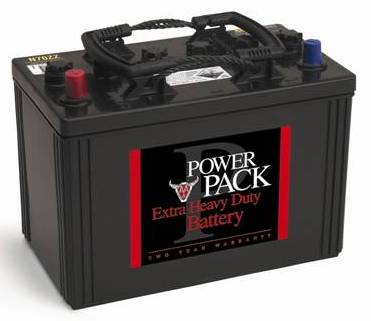
Have you ever been doing a presentation or working on a project and you get that message on your computer that the "battery power is low." There you are, ready to move on, to get it all done, and your computer is out of gas.
Or you've just entered your car, ready to head home or out on a trip and the car won't start and a light comes on telling you the battery is gone.
It probably would help if we could get a similar light or message when our personal batteries are low. Because it's one thing to have to postpone finishing your work on your laptop for a while or call a tow truck, but it's far more serious when we have a personal meltdown that is harder to fix.
Why might we be out of power? There are lots of reasons. Lack of sleep, overwork, too much stress, too busy, weak immune system, recent traumatic events, long-term illnesses and many others. The problem is we often keep pushing ahead thinking that we can make it. But often the decision not to stop leads to disastrous consequences like it does for the climber who pushes ahead on Everest when they know better.
So how do we avoid running out of electricity, so to speak? Can we head off the problems at the pass?
Sure we can. First, stay in tune with yourself and your schedule. Don't ignore times in your life or climb when things become harder than usual or there is greater pressure on you to perform. Periodically take inventory of what your week or month or even year looks like so you can see exactly where the extra challenges might come. I like to have a calendar that also shows the big picture not just what is on my phone each day or week.
Second, get rest and take care of yourself. Often when we're young (and most of us think we're young long after we really are) we think we can conquer the world and keep doing the same things and meeting the same expectations year after year. Let me tell you something - you can't! And it's OK. So that means you'll need more rest, more time to rejuvenate.
Third, let go of some things. You can't do it all and you do not have to. If you're climbing a mountain of illness or personal problems, you don't have to meet all the responsibilities you had before. You can't live your life to please others either. Give away some of your tasks and let someone else have the opportunity to do them.
Sometimes batteries get drained because someone simply forgot to turn something off. That happens and there is not much we can do about that. But if our batteries drain because we simply tried to do more than our emotional charge would hold then that's our fault. And the consequences aren't worth it. Recharge today.
Or you've just entered your car, ready to head home or out on a trip and the car won't start and a light comes on telling you the battery is gone.
It probably would help if we could get a similar light or message when our personal batteries are low. Because it's one thing to have to postpone finishing your work on your laptop for a while or call a tow truck, but it's far more serious when we have a personal meltdown that is harder to fix.
Why might we be out of power? There are lots of reasons. Lack of sleep, overwork, too much stress, too busy, weak immune system, recent traumatic events, long-term illnesses and many others. The problem is we often keep pushing ahead thinking that we can make it. But often the decision not to stop leads to disastrous consequences like it does for the climber who pushes ahead on Everest when they know better.
So how do we avoid running out of electricity, so to speak? Can we head off the problems at the pass?
Sure we can. First, stay in tune with yourself and your schedule. Don't ignore times in your life or climb when things become harder than usual or there is greater pressure on you to perform. Periodically take inventory of what your week or month or even year looks like so you can see exactly where the extra challenges might come. I like to have a calendar that also shows the big picture not just what is on my phone each day or week.
Second, get rest and take care of yourself. Often when we're young (and most of us think we're young long after we really are) we think we can conquer the world and keep doing the same things and meeting the same expectations year after year. Let me tell you something - you can't! And it's OK. So that means you'll need more rest, more time to rejuvenate.
Third, let go of some things. You can't do it all and you do not have to. If you're climbing a mountain of illness or personal problems, you don't have to meet all the responsibilities you had before. You can't live your life to please others either. Give away some of your tasks and let someone else have the opportunity to do them.
Sometimes batteries get drained because someone simply forgot to turn something off. That happens and there is not much we can do about that. But if our batteries drain because we simply tried to do more than our emotional charge would hold then that's our fault. And the consequences aren't worth it. Recharge today.
Wednesday, January 30, 2013
Find the Gold On Your Climb Today
A couple of summers ago my wife and I got to take an Alaskan cruise/tour. As I've talked about in earlier posts it was fantastic and we would go back in a heartbeat.
However, one of the fun things included in our schedule was a stop at a functioning gold mine and the chance to pan for gold. Having never done that before my wife and I like many others were pretty shaky in our technique.
I found myself swirling these little stones, sand and water around being fearful that I was going to lose the flecks of gold in the process. However our instructors reminded us that gold is the heaviest thing in the pan and it will stay in the pan as it settles to the bottom. Sure enough after a good number of minutes we were left with just the gold. I still have those flecks of it in a drawer at home.
So often in life challenges or relationships we too can spend a lot of time on things that don't matter that much and miss the gold. It's right there in the pan but we get all caught up with the other stuff. What might gold look like? Here are a couple of suggestions.
Gold might be the good things that come out of our challenges. You may be going through an especially rough period right now. And when those times come we can start feeling sorry for ourselves or stay focused only on the hard parts. Sometimes we need to see the little gold nuggets of good that are coming out of our climb and be thankful for those.
Gold might be the little positive things a child or spouse does even when we're not getting along or doing well. Go find some gold in that person today and you might look at them differently and handle the resolution of the conflict more positively.
Gold might be an opportunity to help someone else today rather than just focus on your own stuff.
God could be stopping and noticing the miracle of life, a sunrise or a mountain view that takes your breath away.
Get the idea? As they used to say, "There's gold in them thar hills," look for bits of gold in your world. You'll be richer for it.
However, one of the fun things included in our schedule was a stop at a functioning gold mine and the chance to pan for gold. Having never done that before my wife and I like many others were pretty shaky in our technique.
I found myself swirling these little stones, sand and water around being fearful that I was going to lose the flecks of gold in the process. However our instructors reminded us that gold is the heaviest thing in the pan and it will stay in the pan as it settles to the bottom. Sure enough after a good number of minutes we were left with just the gold. I still have those flecks of it in a drawer at home.
So often in life challenges or relationships we too can spend a lot of time on things that don't matter that much and miss the gold. It's right there in the pan but we get all caught up with the other stuff. What might gold look like? Here are a couple of suggestions.
Gold might be the good things that come out of our challenges. You may be going through an especially rough period right now. And when those times come we can start feeling sorry for ourselves or stay focused only on the hard parts. Sometimes we need to see the little gold nuggets of good that are coming out of our climb and be thankful for those.
Gold might be the little positive things a child or spouse does even when we're not getting along or doing well. Go find some gold in that person today and you might look at them differently and handle the resolution of the conflict more positively.
Gold might be an opportunity to help someone else today rather than just focus on your own stuff.
God could be stopping and noticing the miracle of life, a sunrise or a mountain view that takes your breath away.
Get the idea? As they used to say, "There's gold in them thar hills," look for bits of gold in your world. You'll be richer for it.
Saturday, January 19, 2013
Don't Forget The Essentials
The other day I went to the workout room at our condo complex as I do several times a week. I wore my usual sweat top and athletic pants as well since the weather was a little chilly.
Upon arriving I started to strip down to a T-shirt and shorts only to find out while removing my pants that I had forgotten to put on my gym shorts. Oops. Fortunately there was no one else there planning to work out or that could have been especially embarrassing.
I had forgotten one of the key components for my workout.
A lot of us also tend to forget key elements that we need when we're climbing our personal mountains.
For example, we can forget to take a good attitude with us each day. A good attitude doesn't mean that we're necessarily happy or smiling all the time. But it does mean that we don't walk around spending our time blaming others for our predicament or demanding that others meet our expectations that day. People will let us down and they don't necessarily stop and look at life through our eyes. They're not always understanding.
Our attitude nonetheless will make a huge difference in how we handle people and unexpected circumstances.
We can also forget to carry with us some faith . . . faith that there is Someone bigger than we are who is also bigger than our mountain. Faith that something good can come out of our circumstances, faith that we will can be a better person by being challenged the way we are.
We can also forget to think about others. We can get so focused on our climb that we don't serve or help anyone else. And yet some of our greatest growth will come when we care for other people even during our journey. We can actually heal better if we get the attention off of us and use what we've learned to help another person or family.
So don't go out today to face your mountain without your essentials. Think about how these three that I've suggested might be incorporated into your day. You might just be surprised at what you accomplish or conquer today that you never though was possible. You'll at least avoid some embarrassment!
Upon arriving I started to strip down to a T-shirt and shorts only to find out while removing my pants that I had forgotten to put on my gym shorts. Oops. Fortunately there was no one else there planning to work out or that could have been especially embarrassing.
I had forgotten one of the key components for my workout.
A lot of us also tend to forget key elements that we need when we're climbing our personal mountains.
For example, we can forget to take a good attitude with us each day. A good attitude doesn't mean that we're necessarily happy or smiling all the time. But it does mean that we don't walk around spending our time blaming others for our predicament or demanding that others meet our expectations that day. People will let us down and they don't necessarily stop and look at life through our eyes. They're not always understanding.
Our attitude nonetheless will make a huge difference in how we handle people and unexpected circumstances.
We can also forget to carry with us some faith . . . faith that there is Someone bigger than we are who is also bigger than our mountain. Faith that something good can come out of our circumstances, faith that we will can be a better person by being challenged the way we are.
We can also forget to think about others. We can get so focused on our climb that we don't serve or help anyone else. And yet some of our greatest growth will come when we care for other people even during our journey. We can actually heal better if we get the attention off of us and use what we've learned to help another person or family.
So don't go out today to face your mountain without your essentials. Think about how these three that I've suggested might be incorporated into your day. You might just be surprised at what you accomplish or conquer today that you never though was possible. You'll at least avoid some embarrassment!
Saturday, April 21, 2012
On Your Life Journey Lock Your Doors!
A recent news story showed how many people at shopping malls leave
their car doors unlocked while they shop. In addition, many of them have
valuables, previous purchases and other expensive electronics clearly
visible to anyone passing by.
Obviously many individuals and families get needlessly robbed of things that are important and in some cases difficult or at least expensive to replace. IF they were only a little more careful they would rarely get taken advantage of.
Sometimes in life, we too can leave our emotional and personal doors unlocked only to have necessary energy, strength and other resources taken from us.
One way we are vulnerable is when we don't set appropriate boundaries. Boundaries are safeguards we set up with others that we control to keep them out of our world at unnecessary or inappropriate times. For example, a person is grieving the loss of a loved one and yet they let all their friends tell them how to handle their grief or where they should emotionally be at some point.
Or someone with cancer struggling with not having their usual energy still gives in to a friend or relative's demands that they meet their needs or acclimate to their schedule in some way. As a result our ability to function well is stolen from us because we've left ourselves open to others entering our car when we should have locked it.
Another way we let people rob us is when we offer them our personhood and let what they say, do or not do make us feel less valued. We allow them to take away from our value, our being made in God's image, through their comments about what we're doing or not doing right. We succumb to their negative evaluation by believing that what they say really determines who we are and it does not.
There are five things that are always true of us in God's eyes that are worth repeating: We are loved, we are forgiven, we matter, we have purpose and we are children of God. Any person who has chosen to join God's family can count on those no matter what anyone else says.
So, are you during your personal journey leaving yourself open to emotional robberies by others? If so, set some boundaries and remember who you really are in God's eyes. It will change how you climb and in general how you live. And that's worth a lot.
Obviously many individuals and families get needlessly robbed of things that are important and in some cases difficult or at least expensive to replace. IF they were only a little more careful they would rarely get taken advantage of.
Sometimes in life, we too can leave our emotional and personal doors unlocked only to have necessary energy, strength and other resources taken from us.
One way we are vulnerable is when we don't set appropriate boundaries. Boundaries are safeguards we set up with others that we control to keep them out of our world at unnecessary or inappropriate times. For example, a person is grieving the loss of a loved one and yet they let all their friends tell them how to handle their grief or where they should emotionally be at some point.
Or someone with cancer struggling with not having their usual energy still gives in to a friend or relative's demands that they meet their needs or acclimate to their schedule in some way. As a result our ability to function well is stolen from us because we've left ourselves open to others entering our car when we should have locked it.
Another way we let people rob us is when we offer them our personhood and let what they say, do or not do make us feel less valued. We allow them to take away from our value, our being made in God's image, through their comments about what we're doing or not doing right. We succumb to their negative evaluation by believing that what they say really determines who we are and it does not.
There are five things that are always true of us in God's eyes that are worth repeating: We are loved, we are forgiven, we matter, we have purpose and we are children of God. Any person who has chosen to join God's family can count on those no matter what anyone else says.
So, are you during your personal journey leaving yourself open to emotional robberies by others? If so, set some boundaries and remember who you really are in God's eyes. It will change how you climb and in general how you live. And that's worth a lot.
Saturday, March 3, 2012
Just Because You're Right Doesn't Trump Stupid
I was driving to work the other day in my hometown of Austin, Texas. And as I headed down a very busy four-lane road that has no shoulder I encountered two avid riders taking up the entire right lane. They were also approaching a curve meaning that it was possible that some drivers at that point would come upon them going 50 miles and hour or more.
As you may know Austin is one of the homes of Lance Armstrong. As a result and also because this city is very health conscious, there are thousands who ride bikes around town every day. And our lawmakers have made rules about cars and riders that are very favorable to the rider.
Of course the safety of a rider against a several thousand pound car is of utmost importance though some would argue the rules are unreasonable for drivers. That's a discussion for another time. I've ridden thousands of miles myself in my lifetime. I love the fact that riding is so popular.
But back to the current topic. At present cars are supposed to stay at least three feet away from bike riders and technically they have a right, at least in Austin, to be riding together, side by side, and taking up a whole lane. But being right doesn't mean people should be stupid. These guys in my opinion were at best foolish. Those two or others like them may be dead before too long. Is that worth winning the argument?
In a similar way I'm concerned that those of us who climb mountains or face life challenges can sometimes lose perspective and do something we would argue is right but it may not be wise. Perhaps we're grieving and just lost someone we love. We may argue that we have the right to move, but it may not be smart until we've had more time to heal.
During our cancer we may boast that we have the strength to take a big trip and it's our prerogative but it may not be a good idea.
So how do you decide the difference between right and stupid?
First, ask other wise people. If you're hearing the same thing from multiple friends and family consider the fact that they may see things you don't. If it's a medical decision ask your doctor, an emotional one as a therapist or pastor.
Second, be honest. You know yourself, your history and how you have reacted to stress in the past. Use that knowledge and be honest. Face the fact that you have limitations or won't be able to do what someone else has done. It's OK.
Third, weigh the impact of the worst happening. If you try that climb, if you take that trip, if you buy that house and the practical worst happens what would that mean? Like those riders I saw in traffic - is it worth the likely possibility of them being badly hurt or killed?
Remember there are worst things than giving in or not winning an argument. And one of them might be that you'll never have another argument to win ever again.
As you may know Austin is one of the homes of Lance Armstrong. As a result and also because this city is very health conscious, there are thousands who ride bikes around town every day. And our lawmakers have made rules about cars and riders that are very favorable to the rider.
Of course the safety of a rider against a several thousand pound car is of utmost importance though some would argue the rules are unreasonable for drivers. That's a discussion for another time. I've ridden thousands of miles myself in my lifetime. I love the fact that riding is so popular.
But back to the current topic. At present cars are supposed to stay at least three feet away from bike riders and technically they have a right, at least in Austin, to be riding together, side by side, and taking up a whole lane. But being right doesn't mean people should be stupid. These guys in my opinion were at best foolish. Those two or others like them may be dead before too long. Is that worth winning the argument?
In a similar way I'm concerned that those of us who climb mountains or face life challenges can sometimes lose perspective and do something we would argue is right but it may not be wise. Perhaps we're grieving and just lost someone we love. We may argue that we have the right to move, but it may not be smart until we've had more time to heal.
During our cancer we may boast that we have the strength to take a big trip and it's our prerogative but it may not be a good idea.
So how do you decide the difference between right and stupid?
First, ask other wise people. If you're hearing the same thing from multiple friends and family consider the fact that they may see things you don't. If it's a medical decision ask your doctor, an emotional one as a therapist or pastor.
Second, be honest. You know yourself, your history and how you have reacted to stress in the past. Use that knowledge and be honest. Face the fact that you have limitations or won't be able to do what someone else has done. It's OK.
Third, weigh the impact of the worst happening. If you try that climb, if you take that trip, if you buy that house and the practical worst happens what would that mean? Like those riders I saw in traffic - is it worth the likely possibility of them being badly hurt or killed?
Remember there are worst things than giving in or not winning an argument. And one of them might be that you'll never have another argument to win ever again.
Saturday, December 17, 2011
It's Always Good To Consider The Cost When Climbing
Most of us like to find things on sale, don't we? Just today I bought sixty dollars worth of clothing for a little over ten dollars. I love when that happens. So do you I would bet.
However, there are some stores where even the sale price is still too much. It's then that I know I'm probably in the wrong place.
Sometimes when we're climbing through life we can think that the sale price of a decision or action is reasonable when in the end it's still too much.
For example, we're grieving the lost of a loved one and yet we think or have been persuaded that it's time for us to move forward in some area.
We're confident that enough time has passed and we'll be alright to try this new relationship or make a huge purchase or take on a new level of responsibility. And yet if we're not ready that choice may cost us more than we anticipated.
Or we're struggling through another phase of our illness and friends have told us we're ready for a trip anyway, that we need a break and should get away. Maybe they went through similar circumstances and it was really helpful to them. And yet you go ahead and try the vacation and you're miserable. Why? Because the cost of that action was different than it was for them. Your situation simply isn't the same.
It's important whether we're climbing on granite or through life that we remember our pace does not have to equal the pace of another. I know that on a climb I'm going to be slower than the young people and that if I expend too much energy early on I won't make it to the summit. We must know our limits and abilities in life as well so that we can afford the price of our climb.
While the sale may look good and have worked for someone else, it may not be that great of a deal for you. Don't get caught by what looks like a great bargain only to find out you had to pay dearly later and the discount wasn't even close to being worth it.
Yes, there are some life deals out there that really are worth considering. You really might be ready for that next step, new venture or big lifestyle change. But before you make a major decision or tackle that next part of your climb, talk to wise people, experts, your doctor, a counselor . . . anyone who might add some insight and help you see any red flags that you need to see.
As an old commercial used to say, "You can pay me now or pay me later." Paying later when we least expect it is rarely a good idea.
Saturday, August 27, 2011
When The Weather Changes On Your Climb
Our recent Alaska trip reminded me once again that the weather can change in a heartbeat in most mountain settings. One minute the summit tops can be socked in and moments later there will be bright sunshine. Other times you'll be climbing all morning without a cloud in the sky and before long storms are rolling in and danger is ahead.
Most climbers in Colorado know that if you're wise you're on the trail well before dawn so that you get to and off the summit before noon. Afternoon thunderstorms are common there and lighting can be a climber's nightmare even the end of their life.
The same unfortunately is true when we climb life's peaks. We can feel like we're really moving forward, making great progress and finally getting somewhere on our climb only to have a "storm" come out of nowhere. Someone lets us down, our health changes again, we lose that job offer we thought we had, we take a big financial hit, a relationship crumbles or one of a hundred other possibilities rears its head.
The important thing for any climber is to plan for those possibilities and know what to do when they happen. We have to understand that few climbs will be stress or struggle- free. Bad weather is normal.
First, don't climb alone if possible. Challenges are always better dealt with when you have someone else there with you. When adversity hits you need a friend or two.
Second, know your limits and resources. Some may be able to continue climbing because of their equipment, talents, strength and expertise but not everyone will. Even the best climbers in the world die on mountains because they went too far. When a life storm hits evaluate before you just carry on. You may need to slow down or turn around for now. That's not failure, it's just being smart. As Ed Viesturs says the most important part of a climb is getting down.
Third, learn from others who have gone before you. Smart rock climbers are always learning lessons from others especially about how to handle adversity. Life climbers must do the same. Talk to people who are climbing a similar mountain to yours. Spend time together, share stories and admit mistakes. Those same people can help affirm that you can make it.
We certainly can't control the weather but we can control how we'll respond to it. And we'll be healthier and safer as a result!
Most climbers in Colorado know that if you're wise you're on the trail well before dawn so that you get to and off the summit before noon. Afternoon thunderstorms are common there and lighting can be a climber's nightmare even the end of their life.
The same unfortunately is true when we climb life's peaks. We can feel like we're really moving forward, making great progress and finally getting somewhere on our climb only to have a "storm" come out of nowhere. Someone lets us down, our health changes again, we lose that job offer we thought we had, we take a big financial hit, a relationship crumbles or one of a hundred other possibilities rears its head.
The important thing for any climber is to plan for those possibilities and know what to do when they happen. We have to understand that few climbs will be stress or struggle- free. Bad weather is normal.
First, don't climb alone if possible. Challenges are always better dealt with when you have someone else there with you. When adversity hits you need a friend or two.
Second, know your limits and resources. Some may be able to continue climbing because of their equipment, talents, strength and expertise but not everyone will. Even the best climbers in the world die on mountains because they went too far. When a life storm hits evaluate before you just carry on. You may need to slow down or turn around for now. That's not failure, it's just being smart. As Ed Viesturs says the most important part of a climb is getting down.
Third, learn from others who have gone before you. Smart rock climbers are always learning lessons from others especially about how to handle adversity. Life climbers must do the same. Talk to people who are climbing a similar mountain to yours. Spend time together, share stories and admit mistakes. Those same people can help affirm that you can make it.
We certainly can't control the weather but we can control how we'll respond to it. And we'll be healthier and safer as a result!
Subscribe to:
Posts (Atom)