I've never climbed in the Himalayas but I've read a lot about those who
do. And there is an area generally above twenty-five or twenty-six
thousand feet that is poignantly known as the Death Zone. It is
so named basically because at that altitude there is a variety of
conditions that if not overcome will simply kill you and likely do it
quickly.
Of course the most obvious one is the thin air and even with
supplemental oxygen the body won't perform with its usual efficiency.
And because one's faculties are typically impaired a climber is then
more exposed to falling, various forms of edema and other potentially
fatal results. Weather is also likely more extreme and dangerous,
causing many climbers to bivouac in places where survival is unlikely at
best.
A very small percentage of climbers ever experience the Death Zone of the highest mountains in the world and for good reason. It's just too dangerous.
However, in life there are some reasons to actually live in our own Death Zone of sorts. In fact, we can't avoid it. It's living knowing that at any moment our life on this earth could end. We could be gone or someone we love simply won't be around. Morbid? Creepy? A little out there perhaps? Yes, in some ways.
But I have a close relative who is most likely going to die in the next
few months or so, barring a miracle that of course our entire family is
praying for. However, whatever happens it has made us all think a bit
more about whether we would be ready to face the same ourselves. What
would we do if death were looking us in the eye all of a sudden?
I think the answer gives us some essential things to think about doing
now without living in some sort of dark, fearful place in the process.
Let me suggest a few.
First, make the most of every moment you can. No, none of us can
savor each second of every experience, but we can slow down and enjoy
people and opportunities a bit more. We can quit cramming so many
things into our lives and running by people we love as though they are
hardly there. We can stop and watch our kids and grandkids longer, spend
a few more minutes with a spouse or friend and just enjoy little
special moments of nature that occur every day all around us.
Second, take inventory. Be brutally honest about how many things
you're doing that really matter for the long-term versus those that are
just because everyone's doing them. Yes, there's nothing wrong with
leisure, goofing off now and then and simply having fun. But are we
letting the temporary push aside the eternal and the things we think we
should invest in for our gain steal time from the people we want to
invest in because we love them? Have we pushed the most important
things and experiences into the I'll-do-them-someday-when-I-have time category?
Third, say what you want to say now. I've often thought we should
have everyone's funeral before they die if possible. That way people
can say to another's face what they want to say about them and would
likely say once they're gone. Well, in a sense and in the same way we
would be wise to say what we want to say to people before one of us is
gone. Do we need to forgive, tell them we love them or that we are proud
of them, let go of some past hurts or remind them of how much they
meant to us? Do it now.
Welcome to my Never Quit Climbing blog
A practical, inspirational blog designed to encourage and give hope to people who are climbing mountains of rock and granite or ones life has put in their way.
Showing posts with label Overcoming. Show all posts
Tuesday, March 17, 2015
Monday, December 16, 2013
Sometimes We Do Need To Be Rescued . . .It's OK.
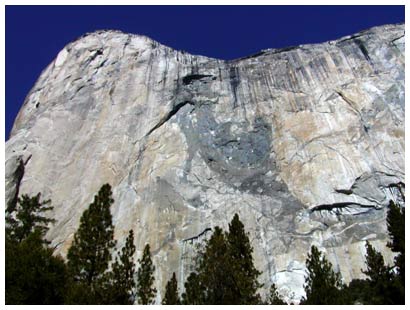
When my wife and I were in Yosemite in September we happened to be driving near El Capitan on our way out of the park one afternoon. Seeing all sorts of cars parked along the side of the road and scores of people focused on the cliff, we stopped hoping to get a chance to watch some climbers climb or so we thought.
However, as we began to talk to people they explained that a rescue of an injured climber was in progress. And with some binoculars and my wife's telephoto lens we were able to hone in on the scene.
The rescue team was some fifteen hundred feet up starting to belay a guy down on a stretcher who had broken his arm. This was no small rescue either. To bring someone down they have to helicopter a three thousand foot, thirteen mm rope to the top and then belay from there. But I'll bet that climber was thankful for their efforts.
When we're in crisis or on a difficult life climb we too may need rescue. Ideally it is not because we were foolish or not careful. But there should be no shame in requiring the help of others. What might we need rescue for?
We may need rescue from our fears. Life's challenges, especially illnesses and injury, can cause our fear factor to go sky high. Therefore, we may need the help of someone who's been up this mountain before to help calm our fears. We might be wise to get some spiritual guidance and counseling. It's OK to be rescuing.
We may need rescue from unhelpful people. Many people mean well but do harm. They throw out easy answers, won't be quiet or leave us alone. They often want us to heal or get better the same way they did or they might not have a clue but want to tell us how to make it anyway. We need someone who can help us figure out how to respond kindly, but firmly. Or they can run some interference for us.
We may need rescue from everyday challenges. We can face financial, social, work and family problems when we're climbing our mountain. Everything gets harder when life is hard. Don't be afraid to ask for help from others, your church, a local group, a support group or whoever. Sometimes we forget that others have more resources than we do just because they aren't going through our challenges. And someday you may be in their position to help them.
We may need rescue from wrong thinking. Struggle and hardship can cause us to do all sorts of dumb things we would never do otherwise. We will sometimes do anything to lessen the pain. Have someone in your life who can speak truth to you without wavering. Get connected to God again or more closely and let Him remind you what is really the truth. Jesus said, "The truth will make you free."
So if you need to be rescued, don't hide. Let the search party do their job. You need to go on. They can help. Just don't do it by yourself.
However, as we began to talk to people they explained that a rescue of an injured climber was in progress. And with some binoculars and my wife's telephoto lens we were able to hone in on the scene.
The rescue team was some fifteen hundred feet up starting to belay a guy down on a stretcher who had broken his arm. This was no small rescue either. To bring someone down they have to helicopter a three thousand foot, thirteen mm rope to the top and then belay from there. But I'll bet that climber was thankful for their efforts.
When we're in crisis or on a difficult life climb we too may need rescue. Ideally it is not because we were foolish or not careful. But there should be no shame in requiring the help of others. What might we need rescue for?
We may need rescue from our fears. Life's challenges, especially illnesses and injury, can cause our fear factor to go sky high. Therefore, we may need the help of someone who's been up this mountain before to help calm our fears. We might be wise to get some spiritual guidance and counseling. It's OK to be rescuing.
We may need rescue from unhelpful people. Many people mean well but do harm. They throw out easy answers, won't be quiet or leave us alone. They often want us to heal or get better the same way they did or they might not have a clue but want to tell us how to make it anyway. We need someone who can help us figure out how to respond kindly, but firmly. Or they can run some interference for us.
We may need rescue from everyday challenges. We can face financial, social, work and family problems when we're climbing our mountain. Everything gets harder when life is hard. Don't be afraid to ask for help from others, your church, a local group, a support group or whoever. Sometimes we forget that others have more resources than we do just because they aren't going through our challenges. And someday you may be in their position to help them.
We may need rescue from wrong thinking. Struggle and hardship can cause us to do all sorts of dumb things we would never do otherwise. We will sometimes do anything to lessen the pain. Have someone in your life who can speak truth to you without wavering. Get connected to God again or more closely and let Him remind you what is really the truth. Jesus said, "The truth will make you free."
So if you need to be rescued, don't hide. Let the search party do their job. You need to go on. They can help. Just don't do it by yourself.
Wednesday, June 5, 2013
Winning Isn't Always The Answer to Success
A few months ago I heard Tiger Woods say this during his recent personal and professional struggles, "Winning takes care of everything." Oh, if that were only true. Unfortunately for him and many others that's not the case. Winning some golf tournaments, climbing competitions or even a few more arguements doesn't fix the past.
In this context winning is just another drug, a second shot of novocaine to dull the pain of what's happened in our lives. If we truly want to win, even during challenging times, we'll consider a few other healthier or more productive actions.
We'll ask forgiveness if we need to. Sometimes the best thing we can do is to be honest and simply tell those we've hurt that we're sorry for the hurt we caused them. We ask them to forgive us though they may never forget what we did. They don't have to forget.
We'll make necessary changes. Come hell or high water we will NOT stay the same. We will bring people into our lives who will hold us accountable, remove actions and temptations that plague us every day and substitute new behaviors and thinking for the old. When we own our mistakes and actions everything does being to change.
We'll look deeply at what got us or our relationships into trouble in the first place. It's not easy to look deep inside and see things that are out of line, thinking that is skewed or attitudes that need adjustments. But that's the place we must go if we are to find any tumors that have caused us to be where we are.
We'll apply our faith to it all. God is all about second and third and fourth chances. And while there may always be consequences we will have to live with, God wants to forgive us and offer us a new start. That's where our faith really gets tested and grows. Sometimes I think God allows us to go through challenges and face mountains just so we will grow in ways we would not otherwise.
No, winning doesn't change everything. It's our hard work and desire to grow from the past that does. Start now.
In this context winning is just another drug, a second shot of novocaine to dull the pain of what's happened in our lives. If we truly want to win, even during challenging times, we'll consider a few other healthier or more productive actions.
We'll ask forgiveness if we need to. Sometimes the best thing we can do is to be honest and simply tell those we've hurt that we're sorry for the hurt we caused them. We ask them to forgive us though they may never forget what we did. They don't have to forget.
We'll make necessary changes. Come hell or high water we will NOT stay the same. We will bring people into our lives who will hold us accountable, remove actions and temptations that plague us every day and substitute new behaviors and thinking for the old. When we own our mistakes and actions everything does being to change.
We'll look deeply at what got us or our relationships into trouble in the first place. It's not easy to look deep inside and see things that are out of line, thinking that is skewed or attitudes that need adjustments. But that's the place we must go if we are to find any tumors that have caused us to be where we are.
We'll apply our faith to it all. God is all about second and third and fourth chances. And while there may always be consequences we will have to live with, God wants to forgive us and offer us a new start. That's where our faith really gets tested and grows. Sometimes I think God allows us to go through challenges and face mountains just so we will grow in ways we would not otherwise.
No, winning doesn't change everything. It's our hard work and desire to grow from the past that does. Start now.
Saturday, February 9, 2013
Overcoming, Like Climbing, Is Always Risky
I remember one of my first attempts at any serious rock climbing. A group of young dads had taken one of our kids out to Colorado for a four-day weekend adventure. One of those days included some climbing and rappelling all under the tutelage of some experienced guides.
The main route that they had set up for us was pretty challenging, at least for us, and we spent a good part of the day doing the route or watching others tackle it. But after a while, the guides told us there were a couple of other routes we could try if we wanted a little more challenge. So a friend of mine, a body builder, strong-as-an-ox kind of guy, and I decided we would go for a little more.
He started up the one route as I looked on. And I saw him struggle significantly, especially at one point in his climb, but eventually he made it. So now it was my turn. And sure enough I got to the same place where he had difficulty and saw no way to make it any further. To do so would require a significant go-for-it moment that I was pretty sure I was not going to succeed in doing.
Of course I was safely roped in. Missing the move wouldn't kill me but it might mess big time with my pride and personhood. Nonetheless, my friend encouraged me on. And within a few minutes I was touching the top of the ledge with a big smile on my face and some new confidence and pride in my soul.
A lot of us as we climb through life may find ourselves stalled because of big challenges or moves in front of us. We may feel like turning back or giving up. The risk might seem high and perhaps it is. But will you ever get to the next step of your journey if you don't try? Could you be missing out on a level of satisfaction, happiness and fulfillment that you would never have by staying put?
Even in your difficulties what will be the benefits of turning back or giving up? There aren't many, if any.
What keeps you from going on? Fear? Lack of confidence? Past failures? Pride? Don't let those things paralyze you.
This week, this month, this year, take a healthy risk that you haven't taken before. Try something new, meet some new people, go serve someone else, go for it. Let the encouragements of friends spur you on but trust the power of the rope - God, others, past successes. Remember the view from the top is worth it.
The main route that they had set up for us was pretty challenging, at least for us, and we spent a good part of the day doing the route or watching others tackle it. But after a while, the guides told us there were a couple of other routes we could try if we wanted a little more challenge. So a friend of mine, a body builder, strong-as-an-ox kind of guy, and I decided we would go for a little more.
He started up the one route as I looked on. And I saw him struggle significantly, especially at one point in his climb, but eventually he made it. So now it was my turn. And sure enough I got to the same place where he had difficulty and saw no way to make it any further. To do so would require a significant go-for-it moment that I was pretty sure I was not going to succeed in doing.
Of course I was safely roped in. Missing the move wouldn't kill me but it might mess big time with my pride and personhood. Nonetheless, my friend encouraged me on. And within a few minutes I was touching the top of the ledge with a big smile on my face and some new confidence and pride in my soul.
A lot of us as we climb through life may find ourselves stalled because of big challenges or moves in front of us. We may feel like turning back or giving up. The risk might seem high and perhaps it is. But will you ever get to the next step of your journey if you don't try? Could you be missing out on a level of satisfaction, happiness and fulfillment that you would never have by staying put?
Even in your difficulties what will be the benefits of turning back or giving up? There aren't many, if any.
What keeps you from going on? Fear? Lack of confidence? Past failures? Pride? Don't let those things paralyze you.
This week, this month, this year, take a healthy risk that you haven't taken before. Try something new, meet some new people, go serve someone else, go for it. Let the encouragements of friends spur you on but trust the power of the rope - God, others, past successes. Remember the view from the top is worth it.
Saturday, January 19, 2013
Don't Forget The Essentials
The other day I went to the workout room at our condo complex as I do several times a week. I wore my usual sweat top and athletic pants as well since the weather was a little chilly.
Upon arriving I started to strip down to a T-shirt and shorts only to find out while removing my pants that I had forgotten to put on my gym shorts. Oops. Fortunately there was no one else there planning to work out or that could have been especially embarrassing.
I had forgotten one of the key components for my workout.
A lot of us also tend to forget key elements that we need when we're climbing our personal mountains.
For example, we can forget to take a good attitude with us each day. A good attitude doesn't mean that we're necessarily happy or smiling all the time. But it does mean that we don't walk around spending our time blaming others for our predicament or demanding that others meet our expectations that day. People will let us down and they don't necessarily stop and look at life through our eyes. They're not always understanding.
Our attitude nonetheless will make a huge difference in how we handle people and unexpected circumstances.
We can also forget to carry with us some faith . . . faith that there is Someone bigger than we are who is also bigger than our mountain. Faith that something good can come out of our circumstances, faith that we will can be a better person by being challenged the way we are.
We can also forget to think about others. We can get so focused on our climb that we don't serve or help anyone else. And yet some of our greatest growth will come when we care for other people even during our journey. We can actually heal better if we get the attention off of us and use what we've learned to help another person or family.
So don't go out today to face your mountain without your essentials. Think about how these three that I've suggested might be incorporated into your day. You might just be surprised at what you accomplish or conquer today that you never though was possible. You'll at least avoid some embarrassment!
Upon arriving I started to strip down to a T-shirt and shorts only to find out while removing my pants that I had forgotten to put on my gym shorts. Oops. Fortunately there was no one else there planning to work out or that could have been especially embarrassing.
I had forgotten one of the key components for my workout.
A lot of us also tend to forget key elements that we need when we're climbing our personal mountains.
For example, we can forget to take a good attitude with us each day. A good attitude doesn't mean that we're necessarily happy or smiling all the time. But it does mean that we don't walk around spending our time blaming others for our predicament or demanding that others meet our expectations that day. People will let us down and they don't necessarily stop and look at life through our eyes. They're not always understanding.
Our attitude nonetheless will make a huge difference in how we handle people and unexpected circumstances.
We can also forget to carry with us some faith . . . faith that there is Someone bigger than we are who is also bigger than our mountain. Faith that something good can come out of our circumstances, faith that we will can be a better person by being challenged the way we are.
We can also forget to think about others. We can get so focused on our climb that we don't serve or help anyone else. And yet some of our greatest growth will come when we care for other people even during our journey. We can actually heal better if we get the attention off of us and use what we've learned to help another person or family.
So don't go out today to face your mountain without your essentials. Think about how these three that I've suggested might be incorporated into your day. You might just be surprised at what you accomplish or conquer today that you never though was possible. You'll at least avoid some embarrassment!
Saturday, December 29, 2012
Watch Out For The Hidden Fees in Life
We were recently booking airfares with a discount airline that will remain nameless. However, while their fares looked extremely reasonable, significantly better than the others we were considering, we discovered that there was an extra fee for most everything.
You paid extra for a carry-on or if you didn't check that carry-on in online before the flight. You paid extra if you wanted to book a seat ahead of time and even more if you wanted a special seat of any kind. There was a whole page of extra fees listed on their website. When it was all said and done their prices weren't that much less at all.
The same can be true in life and especially as we climb our personal mountains or face challenges. Certain people and experiences come with extra fees that can take their toll and cost us even more than we planned on.
For example, some people who appear to want to be helpful to us are not. They call us too much, they want to tell us how to fix our problems and in reality they want to help us more for their benefit than ours. Their helping us becomes more of a burden than a joy. They come with hidden fees.
Or, making big decisions at the wrong time can be costly. We sometimes make large purchases, switch jobs or move somewhere else while we're hurting badly. It feels good at the time and perhaps dulls the pain for a while, but most experts say that we should save those big events for at least a year or two after a major loss or challenge. They too will likely have extra costs, often emotional ones, that we didn't anticipate.
We also likely pay a price when we isolate ourselves too much. We think that no one wants to be around us or that we don't have anything to offer others because of what we've been through. Actually the opposite is true. We often have much to give simply because we have been down a road that others have not. We may be able to provide them with counsel and encouragement that they need for their journey. Other people (except for the kind mentioned above) can remind us that life does go on and that we do still have a place.
Living life alone usually brings more hardship and challenge not less.
So, like a lot of purchases we might make, watch out for the hidden fees in everyday living. Make sure you've counted the cost as the Bible suggests and looked into the implications of your decisions or relationships before you get in too deep. Save your precious emotional resources for a better day.
You paid extra for a carry-on or if you didn't check that carry-on in online before the flight. You paid extra if you wanted to book a seat ahead of time and even more if you wanted a special seat of any kind. There was a whole page of extra fees listed on their website. When it was all said and done their prices weren't that much less at all.
The same can be true in life and especially as we climb our personal mountains or face challenges. Certain people and experiences come with extra fees that can take their toll and cost us even more than we planned on.
For example, some people who appear to want to be helpful to us are not. They call us too much, they want to tell us how to fix our problems and in reality they want to help us more for their benefit than ours. Their helping us becomes more of a burden than a joy. They come with hidden fees.
Or, making big decisions at the wrong time can be costly. We sometimes make large purchases, switch jobs or move somewhere else while we're hurting badly. It feels good at the time and perhaps dulls the pain for a while, but most experts say that we should save those big events for at least a year or two after a major loss or challenge. They too will likely have extra costs, often emotional ones, that we didn't anticipate.
We also likely pay a price when we isolate ourselves too much. We think that no one wants to be around us or that we don't have anything to offer others because of what we've been through. Actually the opposite is true. We often have much to give simply because we have been down a road that others have not. We may be able to provide them with counsel and encouragement that they need for their journey. Other people (except for the kind mentioned above) can remind us that life does go on and that we do still have a place.
Living life alone usually brings more hardship and challenge not less.
So, like a lot of purchases we might make, watch out for the hidden fees in everyday living. Make sure you've counted the cost as the Bible suggests and looked into the implications of your decisions or relationships before you get in too deep. Save your precious emotional resources for a better day.
Thursday, December 20, 2012
Important Reminders When Tragedy Hits
But I think there are some things we must re-visit and hopefully continue to learn from as we walk through these unexplainable events that seem to be plaguing our country and world more of late. Let me suggest a few.
First, evil is real and something more than the occurrence of bad things or the actions of bad people. While some things can be explained by mental illness, events of the past or a terrible upbringing, not everyone who experiences those things goes out and kills the innocent. Evil takes these humans to another level that goes beyond any sense of decency, normalcy or compassion for others. Evil comes from a source beyond our world, from Satan himself, whose ultimate goal is to devour, kill and destroy.
If there is no God and no Satan, then the actions of these deviant ones are merely genetic and the bad results of evolution. Our grief and sense of loss are the same. It's all just chemistry. But who wants to make that argument today? Does it make any sense? Not really.
It's why faith involvement, training and relationship is still essential to us and our culture. Yes, we want to be a country where all views are respected, but we must never allow expressions of faith and the use of faith principles to be completely removed from our classrooms, public squares and discussions in general.
Second, death for many has become unreal or fantasy. No, I'm not going to suggest that we should remove all violent video games or that video games directly cause these tragedies, but parents ought to quit letting their kids and teens keep playing them indiscriminantly. They have turned killing into a game where the people get back up again to play again. But Hollywood and other media should also be challenged to quit making the death of someone easy without remorse or consequence in their programs and films.
We must change our culture back to a society of life, good and hope from one of easy death and destruction.
Third, we must remember that God is still in charge. The question that is surely being asked over and over is, "Why would God allow this to happen?" And none of us has the whole answer to that but we can certainly know part of the truth on it. God gave mankind a choice as to whether we would follow Him or not. He never planned on making us into robots.
As a result, many people choose to embrace their own way, their own choices and ultimately Satan's evil desires over God's. And when those choices get carried to their logical end, very bad things happen. Does God ever intervene? Of course. Probably more than we know. He has certain results in mind that we won't ever understand in this life. He does miracles all the time. Sometimes we see them, sometimes not.
But God wasn't looking the other way. I'm sure He's more sad than we are. And I'm confident He will still do something good with all of this. He always does.
Saturday, November 10, 2012
Going On Even When Bad Things Happen
There was a poignant movie that came out in the last few years called Super 8. It describes a time during the summer of 1979 when a group of friends witness a train crash and
investigate subsequent unexplained events in their small town.
But there was an especially profound line in that movie that I've not forgotten. Bad things happen but you can still live. Unfortunately, a lot of people who face big time challenges or mountains in their lives don't know that. They somehow think that real, meaningful and purposeful life for them ended at some point. They feel paralyzed and spend most of their time just existing not living.
The good news is that we don't have to allow our circumstances to dictate whether we can still embrace life or not. Yes, there may be obstacles to overcome and life may be forever changed in some way but we can still live fully and vibrantly.
Here are some suggestions that might help.
First, take inventory and be reminded and thankful for what you still have. Do you still have family, a home, resources, certain aspects of good health? The list will depend on what you have and have not lost. Everyone's situation will be different. But be thankful for and enjoy what is still there. It matters.
Second, go do some things that you still enjoy. Music, sports, recreation, dancing, reading, socializing. Go at your own pace, you may need to grieve or recuperate but start somewhere. Move. Depressed people often stay depressed because they think they can't function normally anymore. That's a lie and you need to convince yourself of that by taking action.
Third, serve someone else. It might be for someone going through something similar to yours or who is actually behind you on their journey. Go and care for them, teach them what you know while still growing yourself. Often when we focus on others we get the attention off of us.
Finally, pray. You may not have a faith or spiritual background but I am confident that God is strongest when we are the weakest and that it grieves Him, too, to see us stuck. Ask Him to give you new strength, perspective and initiative. He still has a purpose for you, you know.
Yes, bad things happen to us all and they are not all our fault. But we can take them on and still live. In fact, we must. There's lot of life to still be lived.
But there was an especially profound line in that movie that I've not forgotten. Bad things happen but you can still live. Unfortunately, a lot of people who face big time challenges or mountains in their lives don't know that. They somehow think that real, meaningful and purposeful life for them ended at some point. They feel paralyzed and spend most of their time just existing not living.
The good news is that we don't have to allow our circumstances to dictate whether we can still embrace life or not. Yes, there may be obstacles to overcome and life may be forever changed in some way but we can still live fully and vibrantly.
Here are some suggestions that might help.
First, take inventory and be reminded and thankful for what you still have. Do you still have family, a home, resources, certain aspects of good health? The list will depend on what you have and have not lost. Everyone's situation will be different. But be thankful for and enjoy what is still there. It matters.
Second, go do some things that you still enjoy. Music, sports, recreation, dancing, reading, socializing. Go at your own pace, you may need to grieve or recuperate but start somewhere. Move. Depressed people often stay depressed because they think they can't function normally anymore. That's a lie and you need to convince yourself of that by taking action.
Third, serve someone else. It might be for someone going through something similar to yours or who is actually behind you on their journey. Go and care for them, teach them what you know while still growing yourself. Often when we focus on others we get the attention off of us.
Finally, pray. You may not have a faith or spiritual background but I am confident that God is strongest when we are the weakest and that it grieves Him, too, to see us stuck. Ask Him to give you new strength, perspective and initiative. He still has a purpose for you, you know.
Yes, bad things happen to us all and they are not all our fault. But we can take them on and still live. In fact, we must. There's lot of life to still be lived.
Sunday, November 4, 2012
Staying Around "Safe" People
It was recently discovered that a TSA airport employee had over time stolen $800,000 worth of stuff from people. Bad enough that someone would steal that much from unsuspecting people but it was done by someone who is supposed to help us be SAFE!
Who would have thought that someone in security would actually be dangerous? The same can be true of people we allow in our lives especially when we're going through hard times and need extra protection. While we think they are secure they often can take from us more than they give.
Here are a few people to watch out for especially when you are hurting.
First of all, beware the person whose help is more about them than you. These people try to run your life, tell you what to do and rarely let up. They might be hurting themselves or making up for lost time, but they will wear you out before they will really help you. They tend to push you to get better, to heal, to get over your grief or whatever way before you're ready.
Second, stay away from people who seem to have all the answers. They can be in the first group as well, but not necessarily. Either way, they think their experiences should be yours, that you really don't know what you're doing and if you will just listen to them you will make faster progress.
Third, avoid people who offer more platitudes than care. Some people mean well but they really want to fix you more than understand you. They are uncomfortable with your struggle so they will often just say nice things that help little but will hopefully keep them from having to sit in their own discomfort. These people are not necessarily unkind, in fact they ultimately usually mean well. But they can drain you too.
They will quote their doctor, friend, a magazine article and even the Bible hoping that you will simply move on and not struggle anymore.
So, as you climb your personal mountain, look for people who will be both honest and authentic. We do need people who will say hard things to us when we need them. Stay around people who listen well and who don't have an agenda in being your friend or confidante.
Welcome people into your life who have walked some of the trail before you and can give you an honest perspective, not a wishful one.
The last person you want holding the rope for you is someone who is thinking more about themselves than you right then!
Who would have thought that someone in security would actually be dangerous? The same can be true of people we allow in our lives especially when we're going through hard times and need extra protection. While we think they are secure they often can take from us more than they give.
Here are a few people to watch out for especially when you are hurting.
First of all, beware the person whose help is more about them than you. These people try to run your life, tell you what to do and rarely let up. They might be hurting themselves or making up for lost time, but they will wear you out before they will really help you. They tend to push you to get better, to heal, to get over your grief or whatever way before you're ready.
Second, stay away from people who seem to have all the answers. They can be in the first group as well, but not necessarily. Either way, they think their experiences should be yours, that you really don't know what you're doing and if you will just listen to them you will make faster progress.
Third, avoid people who offer more platitudes than care. Some people mean well but they really want to fix you more than understand you. They are uncomfortable with your struggle so they will often just say nice things that help little but will hopefully keep them from having to sit in their own discomfort. These people are not necessarily unkind, in fact they ultimately usually mean well. But they can drain you too.
They will quote their doctor, friend, a magazine article and even the Bible hoping that you will simply move on and not struggle anymore.
So, as you climb your personal mountain, look for people who will be both honest and authentic. We do need people who will say hard things to us when we need them. Stay around people who listen well and who don't have an agenda in being your friend or confidante.
Welcome people into your life who have walked some of the trail before you and can give you an honest perspective, not a wishful one.
The last person you want holding the rope for you is someone who is thinking more about themselves than you right then!
Wednesday, September 26, 2012
Improving Your "Serve" When You're Hurting Will Serve You Well.
Do you know anybody who seems paralyzed by their circumstances? No, they're usually not really paralyzed but they live that way. They are so overwhelmed and burdened by what has happened to them that they become mired in the quick sand of the events that seemingly changed their lives. They have lost their motivation to do much of anything much less do something for someone else.
It is though they took their worth and purpose, placed it on a silver platter and handed it to someone else to care for. Maybe you're someone like this.
If so, there is hope for you. But you'll have to look beyond the comfort of your home and the safety of sitting around doing nothing.
The hope will come from a place you might least expect it: serving someone else.
When we decide to serve others several good things happen. First of all, we begin to realize that we aren't the only person around hurting or struggling. We see that we're not alone and we often find someone who can speak into us as well and provide encouragement and strength.
Second, we see clearly that we do have something to offer others. Our experiences can often be the journey up the trail that someone else needs to help them make it. The fact that we have been there can encourage another person and convince them that yes they too can make it.
Third, we get our eyes off our personal issues. Sure the struggle will still be there but it doesn't own most of our time, thinking, and activities. We control our problems better when we enter into those of others.
So, do you want to get better? Think about improving your serve. Start now. Start today. And don't quit.
It is though they took their worth and purpose, placed it on a silver platter and handed it to someone else to care for. Maybe you're someone like this.
If so, there is hope for you. But you'll have to look beyond the comfort of your home and the safety of sitting around doing nothing.
The hope will come from a place you might least expect it: serving someone else.
When we decide to serve others several good things happen. First of all, we begin to realize that we aren't the only person around hurting or struggling. We see that we're not alone and we often find someone who can speak into us as well and provide encouragement and strength.
Second, we see clearly that we do have something to offer others. Our experiences can often be the journey up the trail that someone else needs to help them make it. The fact that we have been there can encourage another person and convince them that yes they too can make it.
Third, we get our eyes off our personal issues. Sure the struggle will still be there but it doesn't own most of our time, thinking, and activities. We control our problems better when we enter into those of others.
So, do you want to get better? Think about improving your serve. Start now. Start today. And don't quit.
Saturday, September 22, 2012
The Will To LIve Is Powerful When We're Hurting
This past week or so a man apparently spent a cold, wet night in the treacherous waters off of the Alaskan coast. All he had was a survival suit and a small raft or boat. It had to be the worst night of his life. He was stranded for well over twenty-four hours. But he made it. He survived but he needed some will power, a reason to live.
You may be in your own storm waters right now and feeling like it would be easier to just give up. Don't. There are reasons to keep going. First of all, your family needs you. You may not think so but they do. Many survivors tell stories of thinking the whole time they are struggling thinking about the day they see their spouse or kids again. Do the same thing. They matter and would miss you terribly if you're not around.
Second, God still has a purpose for you. Yes, even if your life a mess and your capabilities have dwindled you still have a purpose for being here. There are people only you can help or get to know. Your life experiences may be what they need to help them get up the trail or to the shore. I met a woman recently who had lost both of her legs below the knee because of health problems that led to gangrene.
But she is anticipating and talking about volunteering in the very hospital where she has been going through rehab. There is no one better than her to help someone else who may have a similar journey ahead of them.
Third, you gain strength and energy from giving your best. The more you fight, the more you serve others, the more you determine not to quit the more power you will gain to live well, to make a difference and to fully live life the way it was intended. This hard time is molding you and scraping off the rough edges. Don't miss out on the moments you have ahead of you to be stronger than ever, at least emotionally and as a person if not physically.
So, remember, if you feel like you're in the middle of an ocean or mountain storm, determine to go on. Call on your God, your faith and your deepest of personal strength to persevere. It will be worth it.
You may be in your own storm waters right now and feeling like it would be easier to just give up. Don't. There are reasons to keep going. First of all, your family needs you. You may not think so but they do. Many survivors tell stories of thinking the whole time they are struggling thinking about the day they see their spouse or kids again. Do the same thing. They matter and would miss you terribly if you're not around.
Second, God still has a purpose for you. Yes, even if your life a mess and your capabilities have dwindled you still have a purpose for being here. There are people only you can help or get to know. Your life experiences may be what they need to help them get up the trail or to the shore. I met a woman recently who had lost both of her legs below the knee because of health problems that led to gangrene.
But she is anticipating and talking about volunteering in the very hospital where she has been going through rehab. There is no one better than her to help someone else who may have a similar journey ahead of them.
Third, you gain strength and energy from giving your best. The more you fight, the more you serve others, the more you determine not to quit the more power you will gain to live well, to make a difference and to fully live life the way it was intended. This hard time is molding you and scraping off the rough edges. Don't miss out on the moments you have ahead of you to be stronger than ever, at least emotionally and as a person if not physically.
So, remember, if you feel like you're in the middle of an ocean or mountain storm, determine to go on. Call on your God, your faith and your deepest of personal strength to persevere. It will be worth it.
Monday, September 3, 2012
Helping Others In Crisis Helps You Too
I've never been physically paralyzed in any way and hope I never will. The closest feeling might be that of having my arm or leg fall asleep but of course it soon returned to normal.
But there have been times when I've felt paralyzed emotionally and I'll bet you have too. This feeling is especially rampant after or while we're going through a crisis. We don't want to move, to try anything challenging or reach out to anyone. Some stay in bed, others become couch potatoes while another group find solace in the bottle or more sex or harder work.
But they all are emotionally paralyzed. They really don't accomplish much and spend most of their time wallowing in their pain. Could that possibly describe you right now?
Yes, we do need time during crisis to slow down, to reprogram, find true north again and work through our pain with a competent counsel or minister, we don't need to succumb to full paralysis. In fact, that hurts us more and keeps us from growing, healing and moving ahead.
So what do we do? Well, one suggestion is to serve others. Yes, reach out to someone else in need and begin to focus on their situation, their struggle and their needs. When we serve others we take the focus a bit off of our pain. We begin to discover that others are hurting too. We start to get new life and energy breathed into us as we walk through a struggle with another person.
Perhaps you can start small. Try just being present with someone who's gone through a hard period of time. Give a little money to help someone out. Go serve at a local ministry, non-profit or church.
Ideally, find something that either uses what you have learned from your experiences or your own personal struggle. If you care for someone with similar needs to yours you will share with them in ways the rest of us never could. You'll begin to see some purpose and meaning in your trials and discover that God hasn't given up on you either.
So don't stay in your emotional wheelchair. You're not paralyzed and starting to live with that understanding could change everything - including you!
But there have been times when I've felt paralyzed emotionally and I'll bet you have too. This feeling is especially rampant after or while we're going through a crisis. We don't want to move, to try anything challenging or reach out to anyone. Some stay in bed, others become couch potatoes while another group find solace in the bottle or more sex or harder work.
But they all are emotionally paralyzed. They really don't accomplish much and spend most of their time wallowing in their pain. Could that possibly describe you right now?
Yes, we do need time during crisis to slow down, to reprogram, find true north again and work through our pain with a competent counsel or minister, we don't need to succumb to full paralysis. In fact, that hurts us more and keeps us from growing, healing and moving ahead.
So what do we do? Well, one suggestion is to serve others. Yes, reach out to someone else in need and begin to focus on their situation, their struggle and their needs. When we serve others we take the focus a bit off of our pain. We begin to discover that others are hurting too. We start to get new life and energy breathed into us as we walk through a struggle with another person.
Perhaps you can start small. Try just being present with someone who's gone through a hard period of time. Give a little money to help someone out. Go serve at a local ministry, non-profit or church.
Ideally, find something that either uses what you have learned from your experiences or your own personal struggle. If you care for someone with similar needs to yours you will share with them in ways the rest of us never could. You'll begin to see some purpose and meaning in your trials and discover that God hasn't given up on you either.
So don't stay in your emotional wheelchair. You're not paralyzed and starting to live with that understanding could change everything - including you!
Saturday, May 26, 2012
Making A Difference Makes A Difference
Mark suffers from significant depression. It's not all his fault. Much of his down-ness is a result of clinical, physiological factors. Nonetheless, he feels lonely and discouraged most of the time. He thinks he's been a failure with his kids who are now adults.
I don't think a day goes by when Mark isn't confronted by the blackness of his despair.
And yes, Mark needs medications prescribed by a psychiatrist and has tried most of them, if not all. He's currently trying a new electronic stimulus regimen that has shown some promise. I wish him the best in that.
However, it's important to know that there are typically parts of depression that those who suffer can do something about, even those with cases as severe as Mark's. No, we can't treat the biological factors but we can do something about those symptoms that come from a different place - our mind.
And one of the prevailing thoughts of people who are depressed is that they simply do not matter any more. They've come to believe that they serve little to no meaningful purpose in this life and that nothing they do any more really makes a difference. And of course that kind of thinking only fuels their depression rather than helping it.
So what does someone who thinks they don't matter any more do? They act in ways that matter. Or as the title of this article suggest, making a difference makes a difference!
How can that happen if you or someone you know is depressed? Go back and take inventory of your gifts, talents and resources. Remind yourself what you still have to offer others.
Second, start using those resources to serve someone else. Depending on your condition you may have to start simple and small, but start somewhere. Volunteer at your church or a nearby shelter, do something kind for a neighbor, offer to assist at the school or just intentionally do something extra special for your family.
Third, chart your progress. Journal, keep a notebook, meet with a counselor, or whatever but periodically take note of how you have moved on and what you have done for others.
Start making a difference again. Build into someone else's life and get the attention and focus off of you. Because making a difference now will make all the difference later.
I don't think a day goes by when Mark isn't confronted by the blackness of his despair.
And yes, Mark needs medications prescribed by a psychiatrist and has tried most of them, if not all. He's currently trying a new electronic stimulus regimen that has shown some promise. I wish him the best in that.
However, it's important to know that there are typically parts of depression that those who suffer can do something about, even those with cases as severe as Mark's. No, we can't treat the biological factors but we can do something about those symptoms that come from a different place - our mind.
And one of the prevailing thoughts of people who are depressed is that they simply do not matter any more. They've come to believe that they serve little to no meaningful purpose in this life and that nothing they do any more really makes a difference. And of course that kind of thinking only fuels their depression rather than helping it.
So what does someone who thinks they don't matter any more do? They act in ways that matter. Or as the title of this article suggest, making a difference makes a difference!
How can that happen if you or someone you know is depressed? Go back and take inventory of your gifts, talents and resources. Remind yourself what you still have to offer others.
Second, start using those resources to serve someone else. Depending on your condition you may have to start simple and small, but start somewhere. Volunteer at your church or a nearby shelter, do something kind for a neighbor, offer to assist at the school or just intentionally do something extra special for your family.
Third, chart your progress. Journal, keep a notebook, meet with a counselor, or whatever but periodically take note of how you have moved on and what you have done for others.
Start making a difference again. Build into someone else's life and get the attention and focus off of you. Because making a difference now will make all the difference later.
Friday, May 4, 2012
Hope: From Cactus To Flower
The
past few weeks have brought an unusual number of pressures and
challenges to my wife and me. The latest is a family illness where the
unknowns bring significant emotional angst. We've also both been
traveling, much of it separately, and our physical reserves are pretty
low right now, too. Sleeping has been irregular and interrupted much of
the time.
Nonetheless, Jackie, upon returning home from her trip, went to the store and bought some new little cacti to put out on the balcony of our condo. She really didn't have time to re-pot them or anything but planned to do that within a couple of days. Three of them sat for a day or so just outside the door wall.
However, the next day, Jackie looked and each of them had bloomed with a beautiful yellow flower. They brought tears to her eyes and a lump in my throat later to realize that from the middle of those prickly extensions came beauty that we had not seen before.
That was an important reminder that yes good can come from bad. That the miraculous can rise from evil. That resurrection comes after the burial. That joy can result from mourning. That life in God always wins over death.
You, too, may be experiencing your own challenges these days. And it's easy to only see and feel the sharp edges of them. The pain, sadness and even feelings of despair can be overwhelming.
And picturing a potential flower won't remove the cactus but it can help you deal with it better. It can assist you in coping, keep you from remaining paralyzed and help you remember that God may be doing something beautiful in and through your circumstances that you simply can't see. Keep watching for the flower.
Nonetheless, Jackie, upon returning home from her trip, went to the store and bought some new little cacti to put out on the balcony of our condo. She really didn't have time to re-pot them or anything but planned to do that within a couple of days. Three of them sat for a day or so just outside the door wall.
However, the next day, Jackie looked and each of them had bloomed with a beautiful yellow flower. They brought tears to her eyes and a lump in my throat later to realize that from the middle of those prickly extensions came beauty that we had not seen before.
That was an important reminder that yes good can come from bad. That the miraculous can rise from evil. That resurrection comes after the burial. That joy can result from mourning. That life in God always wins over death.
You, too, may be experiencing your own challenges these days. And it's easy to only see and feel the sharp edges of them. The pain, sadness and even feelings of despair can be overwhelming.
And picturing a potential flower won't remove the cactus but it can help you deal with it better. It can assist you in coping, keep you from remaining paralyzed and help you remember that God may be doing something beautiful in and through your circumstances that you simply can't see. Keep watching for the flower.
Saturday, November 19, 2011
You Can Risk Without Climbing, But Can't Climb Without Risk
I remember my first 14er climbing up the Keyhole Route on Long's Peak. To really serious climbers this route is no big deal but it was for my 13 year old son and me. And I clearly remember meeting four men coming down as we neared what is called the "Ledges" section of the climb. I'd read about that dicey portion of the route and expected them to be a challenge but I didn't anticipate what I heard from these descending climbers.
I asked them if they'd made it to the summit. And one of the guys responded, "No way. I took a look at those ledges and decided that I have a family at home. It's too dangerous to go on."
All of a sudden I got this lump in my throat as I began to think about whether the risk for us was going to be worth it. As it turned out we went on, felt cautious, yet comfortable navigating the ledges and the Home Stretch and went on to the top. However, there was a risk every step of the way. There always is. The question is how much risk will we take on and how much risk will we allow to keep us from going forward.
Of course there's no easy answer. Being foolhardy can often end in death whether on a mountain or driving our car. There's something to be said about being shrewd and wise. But we will rarely go forward on our climbs if we're unwilling to accept some significant risk.
How do we determine what is too much and make a wise decision? First of all, we must prepare as well as we can. Whether we're on a rock wall or stuck facing a personal mountain, preparing well, learning all we can and scouting out the route before us are vital to handling risky situations. The better we prepare the more risk we can likely endure.
Second, know your abilities and limitations. Some climbers are far more qualified to tackle routes that we cannot. That's ok. But our somehow believing we can do them may put us into risky places we shouldn't be. As Tim and I continued on the climb up Long's I knew that we had been in situations like that before and could handle it. If all of a sudden we had run into technical climbing beyond the class 3 we were facing, it would have been time to turn around.
Third, deal honestly with the personal issues that may push you to do more dangerous things than you can handle. For some risk becomes an unhealthy and dangerous adrenaline rush that only dulls a lot of our pain but could eventually kill us. Some are still fighting off the demands of past hurts, disappointments or abuses and so we spend much of our lives trying to please others.
As a result we do things foolishly and push ourselves beyond healthy limits. We think we must live up to everyone else's expectations of us. That can be deadly or at least destructive.
So instead of using risk to fill a hole or need in us, remember that it can be a normal and healthy part of any climb. But do what you can to control how much you face and how you deal with it. It can be friend or foe.
I asked them if they'd made it to the summit. And one of the guys responded, "No way. I took a look at those ledges and decided that I have a family at home. It's too dangerous to go on."
All of a sudden I got this lump in my throat as I began to think about whether the risk for us was going to be worth it. As it turned out we went on, felt cautious, yet comfortable navigating the ledges and the Home Stretch and went on to the top. However, there was a risk every step of the way. There always is. The question is how much risk will we take on and how much risk will we allow to keep us from going forward.
Of course there's no easy answer. Being foolhardy can often end in death whether on a mountain or driving our car. There's something to be said about being shrewd and wise. But we will rarely go forward on our climbs if we're unwilling to accept some significant risk.
How do we determine what is too much and make a wise decision? First of all, we must prepare as well as we can. Whether we're on a rock wall or stuck facing a personal mountain, preparing well, learning all we can and scouting out the route before us are vital to handling risky situations. The better we prepare the more risk we can likely endure.
Second, know your abilities and limitations. Some climbers are far more qualified to tackle routes that we cannot. That's ok. But our somehow believing we can do them may put us into risky places we shouldn't be. As Tim and I continued on the climb up Long's I knew that we had been in situations like that before and could handle it. If all of a sudden we had run into technical climbing beyond the class 3 we were facing, it would have been time to turn around.
Third, deal honestly with the personal issues that may push you to do more dangerous things than you can handle. For some risk becomes an unhealthy and dangerous adrenaline rush that only dulls a lot of our pain but could eventually kill us. Some are still fighting off the demands of past hurts, disappointments or abuses and so we spend much of our lives trying to please others.
As a result we do things foolishly and push ourselves beyond healthy limits. We think we must live up to everyone else's expectations of us. That can be deadly or at least destructive.
So instead of using risk to fill a hole or need in us, remember that it can be a normal and healthy part of any climb. But do what you can to control how much you face and how you deal with it. It can be friend or foe.
Saturday, October 15, 2011
Climbing Helps Us See Ourselves and Life In Perspective
Most of us like to feel important. We love to think we're doing better than the other person and have been more successful. Let's face it, deep down inside we want to be at least a little better than the other guy, right?
But there's nothing like a huge piece of granite, a mountain, to help you feel pretty insignificant. Or watch some climbers on El Cap in Yosemite and they look like ants if you can even see them. We're not as big as we think we are when we're set next to something huge.
And that's good sometimes. Let me suggest why.
First, it keeps us humble. Arrogance and false pride are typically pretty ugly. Confidence is one thing, but cockiness is another and not very attractive. Humility keeps us centered and helps us enjoy assisting others not just ourselves.
Second, our smallness reminds us that there is something or Someone bigger than we are. It's pretty hard to look at the majesty of the universe, much less the mountains, without thinking that there is a reality and power bigger than we are. When we feel like our personal resources are tapped it gives hope to think that there's more out there to draw from.
Third, we are reminded that there is always something bigger to conquer. Our problem may seem huge but someone else always has something worse than ours. And if we overcome our struggle, we can find encouragement to tackle the next one knowing it hasn't been easy.
So next time you're in the mountains or even looking at the stars, take in the greatness of everything around you. Embrace how little you are in comparison. It doesn't make you insignificant. It's just that more amazing that you do matter. Climb on.
But there's nothing like a huge piece of granite, a mountain, to help you feel pretty insignificant. Or watch some climbers on El Cap in Yosemite and they look like ants if you can even see them. We're not as big as we think we are when we're set next to something huge.
And that's good sometimes. Let me suggest why.
First, it keeps us humble. Arrogance and false pride are typically pretty ugly. Confidence is one thing, but cockiness is another and not very attractive. Humility keeps us centered and helps us enjoy assisting others not just ourselves.
Second, our smallness reminds us that there is something or Someone bigger than we are. It's pretty hard to look at the majesty of the universe, much less the mountains, without thinking that there is a reality and power bigger than we are. When we feel like our personal resources are tapped it gives hope to think that there's more out there to draw from.
Third, we are reminded that there is always something bigger to conquer. Our problem may seem huge but someone else always has something worse than ours. And if we overcome our struggle, we can find encouragement to tackle the next one knowing it hasn't been easy.
So next time you're in the mountains or even looking at the stars, take in the greatness of everything around you. Embrace how little you are in comparison. It doesn't make you insignificant. It's just that more amazing that you do matter. Climb on.
Saturday, August 27, 2011
One Step At A Time
I’ll never forget my first 14’er climb (Long’s Peak in Colorado). And my wife and I will always remember starting our trek through her cancer. I mention them both because there were a number of similarities to both journeys. One however stands out.
On Long’s it seemed like there was always one more section of that eight mile ascent to conquer. Get above treeline, scramble through Boulder Field, climb the Trough, stay alive through the Ledges, and then endure the Home Stretch to the top. To some of you experienced mountain people that shouldn’t be a big deal. To me it seemed like Everest.
However, when Jackie was first diagnosed with cancer, we thought we were facing another 8000 meter peak with seemingly endless obstacles to overcome. We began to picture myriad tests, doctor visits, surgeries, radiation and hospitalizations. And we were right. She would endure all of the above and more.
But we soon learned one very important and vitally energizing reality. Climbing is a step-by-step, pitch-by-pitch, event-by event process. You don’t climb well if you’re focused on both the summit and the pain required to get there. You climb best when you only concentrate on the next section you need to conquer.
On Long’s my son and I continually gave ourselves short-term goals: a rock up ahead, the next switchback or the top of a snow field. As much as possible we enjoyed the challenge of that section of the mountain and celebrated when we got to our next checkpoint.
Through Jackie’s cancer we began to say similar things. “Let’s just focus on this next appointment, “ or test or surgery or chemo treatment. You see going one step at a time saved us the extra energy that worry about the whole journey would utilize. We faced one of the biggest ascents in our lives through bite-sized chunks. God could handle more but we could not.
No, our perspective didn’t reduce the size of the mountain. It simply removed our penchant to become overwhelmed because we weren’t dreading the whole climb at once!
So what’s your mountain? Cancer, relationship issues, facing your grief, getting a job again? Try going one step at a time. Let go of all the horrible possibilities you can think of down the road and just concentrate on the next event, responsibility or task. I know you’ll find that your inner strength, encouragement and hope will increase along the way. Never quit climbing!
On Long’s it seemed like there was always one more section of that eight mile ascent to conquer. Get above treeline, scramble through Boulder Field, climb the Trough, stay alive through the Ledges, and then endure the Home Stretch to the top. To some of you experienced mountain people that shouldn’t be a big deal. To me it seemed like Everest.
However, when Jackie was first diagnosed with cancer, we thought we were facing another 8000 meter peak with seemingly endless obstacles to overcome. We began to picture myriad tests, doctor visits, surgeries, radiation and hospitalizations. And we were right. She would endure all of the above and more.
But we soon learned one very important and vitally energizing reality. Climbing is a step-by-step, pitch-by-pitch, event-by event process. You don’t climb well if you’re focused on both the summit and the pain required to get there. You climb best when you only concentrate on the next section you need to conquer.
On Long’s my son and I continually gave ourselves short-term goals: a rock up ahead, the next switchback or the top of a snow field. As much as possible we enjoyed the challenge of that section of the mountain and celebrated when we got to our next checkpoint.
Through Jackie’s cancer we began to say similar things. “Let’s just focus on this next appointment, “ or test or surgery or chemo treatment. You see going one step at a time saved us the extra energy that worry about the whole journey would utilize. We faced one of the biggest ascents in our lives through bite-sized chunks. God could handle more but we could not.
No, our perspective didn’t reduce the size of the mountain. It simply removed our penchant to become overwhelmed because we weren’t dreading the whole climb at once!
So what’s your mountain? Cancer, relationship issues, facing your grief, getting a job again? Try going one step at a time. Let go of all the horrible possibilities you can think of down the road and just concentrate on the next event, responsibility or task. I know you’ll find that your inner strength, encouragement and hope will increase along the way. Never quit climbing!
Subscribe to:
Posts (Atom)